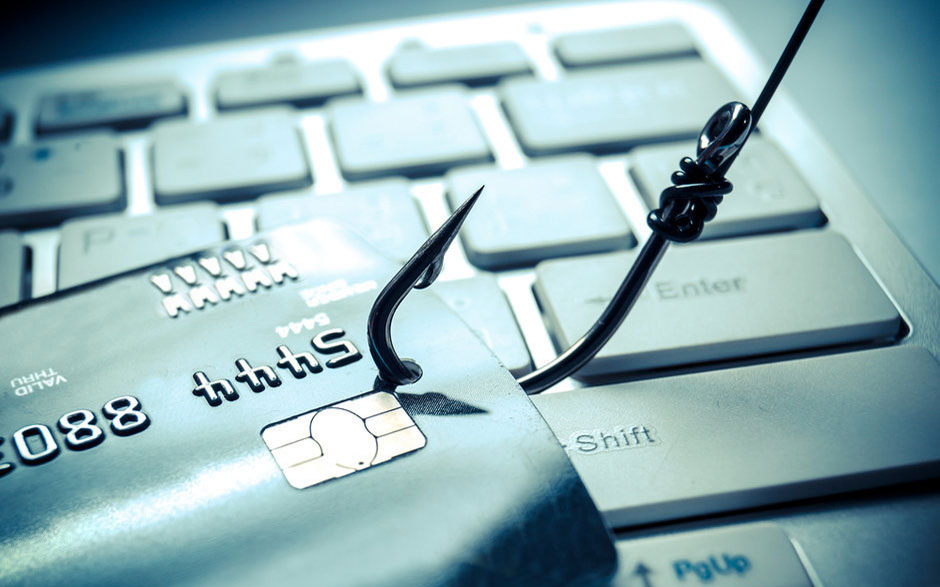
The Fair Credit Billing Act (FCBA) says your client has 60 days to dispute a credit card charge. This federal law was originally designed to protect consumers from unfair billing practices. But the reality is that it stacks merchant chargeback odds firmly in your customer’s favor.
If you’re unable to prove that a card user’s dispute is invalid, your business will be out the money and subject to a chargeback fee. Worse, not all chargebacks are created equal – and when fraud is involved, they get even trickier.
Recognizing the Three Types of Fraud
Credit card fraud is on the rise, and dishonest disputes initiated by unscrupulous card users can cost your business dearly. Some sources claim that fraud losses will exceed $12 billion by 2020. So an organized approach to record-keeping and chargeback management is your best defense against payment reversals.
To protect yourself from falsified chargebacks, it’s important to understand that there are three types of fraud:
- Friendly Fraud is what happens when a customer inadvertently disputes a legitimate credit card charge. Often, these chargebacks are the result of:
- family members making undisclosed purchases,
- misunderstandings over company return policies, or
- simple forgetfulness on the part of the cardholder
- True Fraud is another name for identity theft. A victim’s credit card is compromised and they’re billed for purchases they never made. Once the fraudulent charges are disputed, the cardholder’s account is shut down.
- Chargeback Fraud is similar to true fraud, but is initiated by the actual cardholder. In this case, the customer knowingly disputes a legitimate charge to avoid paying for purchases made.
Revenue losses associated with true fraud can’t typically be recovered. Fortunately, chargebacks resulting from identity theft represent less than a third of all fraudulent activity.
Credit Cards Are Still Cost-Effective
Thanks partly to the efforts of the FCBA, consumers remain confident in their credit card purchases – both online and off. And that’s great news when it comes to your sales. Disputes aside, credit card issuers are committed to paying authorized charges immediately, and accept full responsibility for customer collections.
Credit cards alleviate concerns over the theft of cash payments. They also eliminate many of the costs associated with depositing checks. But to get the most from your credit card billings, consider these tips to help your business minimize losses from fraudulent chargebacks:
- Always follow payment processor protocol for in-person and web-based transactions.
- Train yourself and your staff to watch for suspicious credit card activity.
- Challenge merchant chargebacks whenever it makes financial sense to do so.
Too many companies choose to accept chargeback losses in the mistaken belief that they can’t be recouped. But the fact is that more than 70% of unsubstantiated payment holds result from friendly or chargeback fraud. And that makes them not only contestable, but recoverable.
When you use Beacon, our customer support team can assist you with the chargeback processes and help you identify fraudulent chargebacks. Contact us today at 866-430-2322.